Storm Damage Roof Repair Checklist for Baton Rouge Homeowners
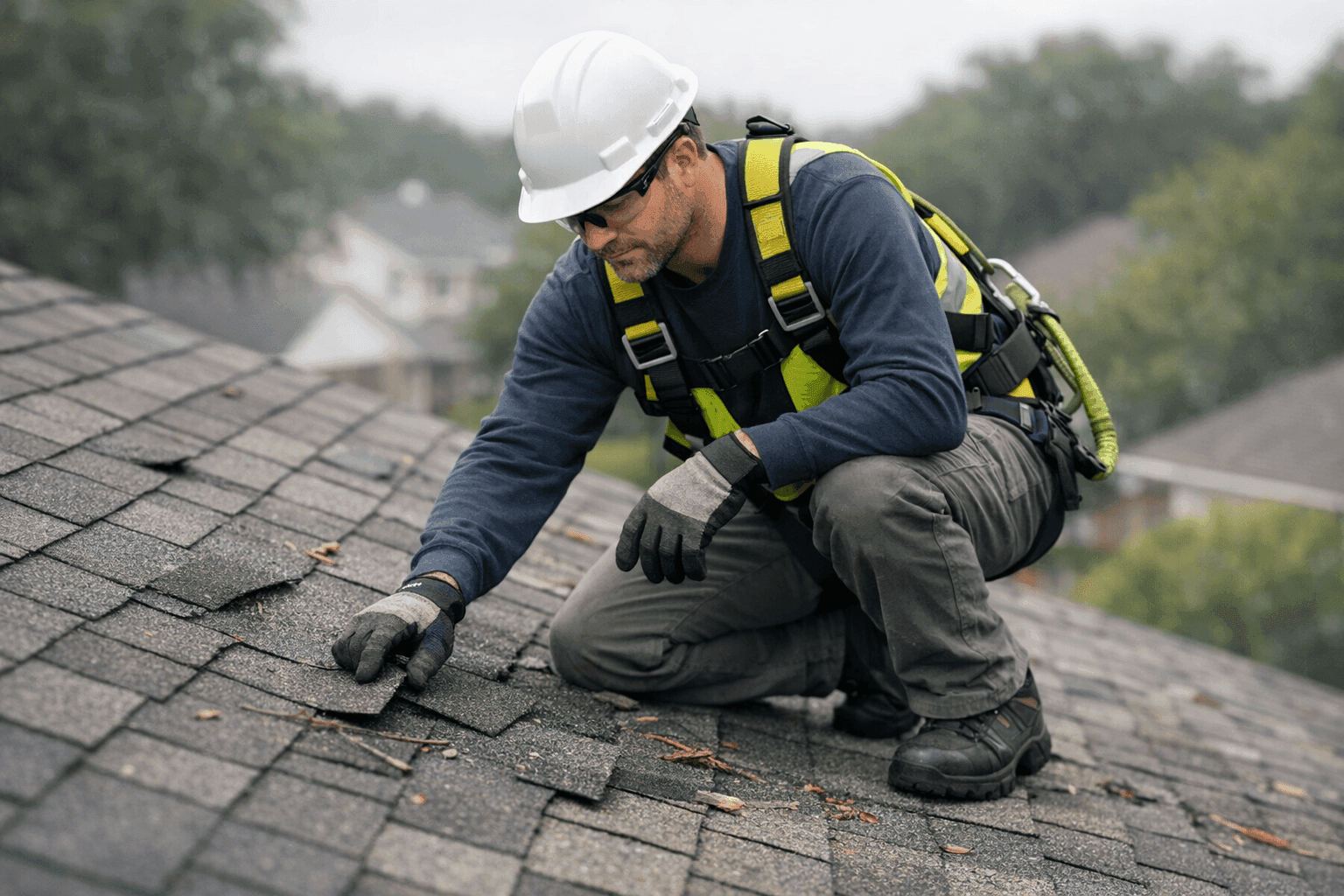
When the sky clears over Baton Rouge after a hurricane or hailstorm, your sense of relief is real—but so is the worry. Is your roof still protecting your family? Or has the storm turned a safe haven into a ticking time bomb for leaks and bigger headaches?
At Baton Rouge Roofing, we’ve seen how fast weather can flip from calm to chaos. This guide is built for you: practical, local, and focused on what Baton Rouge homeowners need to check, document, and fix—fast.
The Storm’s Over—But the Work Begins
Every year, Baton Rouge faces storms that can rip off shingles, dent flashing, clog gutters, and open up leaks you might not spot right away. Even a quick-moving hailstorm can leave behind damage that grows worse with every rainy night.
Ignoring storm damage isn’t just risky—it’s like leaving the front door open when another storm is already on the horizon. Let’s walk through what to do, step by step.
Quick Safety Checklist 🦺
Before you even think about climbing a ladder or poking around, stop. Safety comes first. Here’s what to do:
- Wait for the all-clear. Don’t inspect until storms, lightning, and strong winds have fully passed.
- Check for power lines. Stay far away from any downed or dangling electrical wires—call authorities if you see one.
- Walk the property, not the roof. Scan from the ground. Look for loose shingles, debris, or gutters hanging off.
- Watch for slick spots. Wet grass, scattered tiles, or broken glass can cause slips and cuts.
- Secure hazards. If you see tree limbs or debris, move them only if it’s safe to do so.
If there’s any doubt, call in professionals trained for post-storm safety. The Louisiana State Licensing Board for Contractors recommends leaving roof climbing to certified roofers after storms.
Ground-Level Inspection: What to Look For
You don’t need to be a roofer to spot the obvious warning signs. Think of this like checking your car after a fender-bender. Here’s what Baton Rouge homeowners should look for:
- Missing or curled shingles—these are often the first to go in high winds.
- Dented or cracked flashing—the thin metal at chimneys, skylights, and vents can get battered by hail.
- Gutter problems—sagging, detachment, or clogs are common after storms.
- Dark streaks or stains on exterior walls or under eaves—these can mean water is already getting in.
- Shingle granules in gutters or on the ground—a sign your roof’s protective layer is wearing away.
Write down what you see. Snap photos from different angles, and keep them safe for insurance or your roofer.
Hidden Roof Damage: Signs Inside Your Home
Not all storm damage is visible from outside. Sometimes, trouble hides in the attic or behind drywall—like a leak quietly filling a bucket behind the scenes. Watch for:
- Water spots or stains on ceilings and walls.
- Peeling paint or bubbling drywall.
- Musty odors—a red flag for hidden moisture or mold.
- Dripping sounds during or after rain.
If you notice any of these, act quickly. Small leaks can turn into major repairs in Louisiana’s humid climate.
What to Document for Insurance
Insurance adjusters want facts, not guesses. Here’s what to collect:
- Date and time of the storm.
- Photos and video of all visible damage, inside and out.
- Receipts for any emergency fixes or supplies.
- A written list of damaged areas, including rooms, roof sections, and gutters.
Don’t toss any damaged materials until your insurance has seen them. The Louisiana Department of Insurance outlines these documentation steps for smoother claims.
DIY or Call a Pro? Knowing Your Limits
Some Baton Rouge homeowners are handy. But after a storm, your roof isn’t the place to experiment. If you spot any of the following, call in a professional roofer:
- Sagging or structural concerns.
- Major leaks or daylight visible through the roof.
- Large patches of missing shingles.
- Storm debris you can’t safely remove.
Remember, even small jobs can be risky. A certified roofer brings safety gear, insurance, and the know-how to spot hidden issues.
For urgent situations, Baton Rouge Roofing offers emergency services to help secure your home and prevent further damage.
What Baton Rouge Roofing Pros Do On Arrival
When our team arrives, we follow a checklist shaped by years of Louisiana storms:
- Full exterior inspection—not just the roof, but gutters, flashing, vents, and attic spaces.
- Moisture testing—using tools to find hidden leaks or trapped water.
- Temporary repairs—tarping, sealing, or boarding up damaged areas to prevent more water intrusion.
- Detailed documentation—photos, notes, and repair recommendations for you and your insurer.
- Safety assessment—making sure no hazards are left behind for you or your family.
We follow OSHA safety standards and always use proper personal protective equipment (PPE).
Preventing the Next Storm’s Damage 🛡️
A roof is like a shield—it’s strongest when maintained. Here’s how Baton Rouge homeowners can prepare for whatever comes next:
- Schedule regular inspections—at least once a year, or after major storms.
- Trim trees near your home to prevent branches from crashing down.
- Clean gutters and downspouts to direct water away from your foundation.
- Install impact-resistant shingles or roof coatings for extra protection.
- Check attic ventilation and insulation—hot, humid air can worsen storm damage.
Ask your roofer about inspections and preventative maintenance plans tailored for Baton Rouge’s weather.
Common Types of Storm Damage in Baton Rouge
Storms don’t play favorites, but some types of damage show up again and again:
- Missing or damaged shingles—often blown away in high winds.
- Leaking roof valleys—where two roof slopes meet, water can sneak in.
- Dented or loose flashing—especially around chimneys and skylights.
- Clogged or broken gutters—debris can block drainage, causing water to back up.
- Hail damage—pockmarks or bruises that break the seal of your shingles.
These problems worsen fast in Louisiana’s humid, rainy climate. Early repairs make a big difference.
Costs & Time Factors: What to Expect
Storm damage repair isn’t “one size fits all.” Costs and timelines vary based on:
- Extent of damage—a few shingles vs. a full roof section.
- Roof material—shingle, tile, metal, or flat roofing.
- Accessibility—steep roofs or multi-story homes can take longer.
- Weather delays—Louisiana’s rain can sometimes slow repairs.
Most minor repairs take a day or two. Larger jobs may require several days, especially if insurance approvals or structural work is needed. Always ask for a detailed estimate—never settle for a handshake or a vague promise.
When It’s an Emergency 🚨
Some situations can’t wait:
- Water pouring in during or after a storm.
- Ceiling collapse or severe sagging.
- Large sections of missing roofing.
- Exposed electrical wires or structural beams.
If you’re facing any of these, call for emergency roof repair immediately. Quick action can prevent thousands of dollars in additional damage.
FAQ: Baton Rouge Storm Damage Roof Repair
Q: How soon should I inspect my roof after a storm?
A: As soon as it’s safe and the weather has cleared. Waiting increases the risk of leaks and mold.
Q: Will insurance cover all my storm damage?
A: Coverage depends on your policy and the extent of damage. Document everything and contact your carrier promptly.
Q: Can I do temporary repairs myself?
A: You can cover small leaks with tarps, but leave major repairs to professionals for safety and to protect your warranty.
Q: How do I prepare for future storms?
A: Regular inspections, tree trimming, and gutter cleaning go a long way. Consider impact-resistant materials for your next upgrade.
Local/Seasonal Considerations for Baton Rouge Homes
Baton Rouge gets more than its share of hurricanes, tropical storms, and Gulf Coast downpours. Our humid summers and sudden hail events mean roofs here see more wear than in drier climates.
- Hurricane season runs June through November—inspect your roof early.
- Spring hail can cause minor damage that grows with summer rains.
- Heavy winds are common during both seasons, so loose shingles or gutters should be fixed right away.
Keep an eye on local weather alerts and schedule post-storm inspections quickly.
Related Services
Need more help with storm recovery or preventative care? Baton Rouge Roofing can help with:
Take the Next Step
Every hour counts after a Baton Rouge storm. Protect your home and peace of mind—get a professional assessment now.
Call Baton Rouge Roofing now — or reach us anytime at (225) 269-2619 .