Roof Leak Repair in Baton Rouge: How to Spot, Stop, and Prevent Water Damage
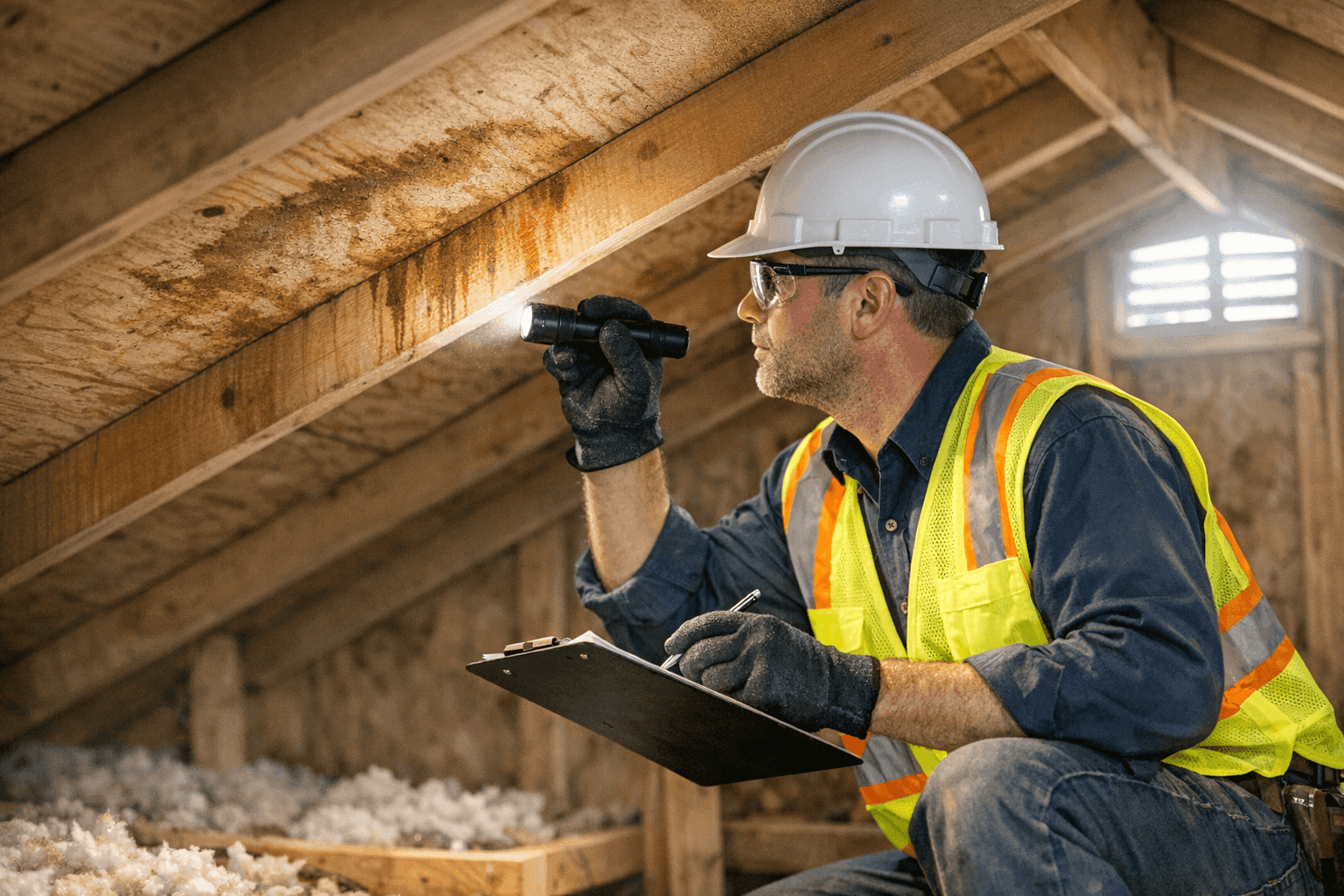
When a roof leak strikes in Baton Rouge, it never feels convenient. Maybe you notice a dark stain spreading across your ceiling after a heavy storm, or you hear that telltale drip in the attic when the rain won’t let up. Water damage can move fast—much faster than most homeowners realize.
At Baton Rouge Roofing, we’ve seen how quickly a tiny leak can become a major headache. This guide gives you clear, practical steps to spot, stop, and prevent roof leaks—so you can protect your home and act with confidence, no matter what our wild Louisiana weather throws your way.
How to Recognize a Roof Leak in Baton Rouge
Water rarely takes the direct route. It sneaks in through the smallest crack or nail hole, then travels along rafters and insulation before making itself known. Some leaks are obvious, but many hide for weeks—or even months—before you see the damage.
Common Signs of Roof Leaks:
- Yellow or brown stains on ceilings or walls
- Bubbling or peeling paint
- Musty smells in rooms or attic
- Mold or mildew patches, especially near vents or skylights
- Dripping sounds or puddles after rain
- Sagging drywall or warped wood
Where Leaks Often Start:
- Around chimneys, skylights, or vent pipes
- At roof valleys or where roof planes meet
- Damaged, missing, or cracked shingles
- Rusted or loose flashing
- Clogged gutters causing water backup
If you notice any of these, don’t shrug them off. In Baton Rouge, our humidity and storms mean water damage sets in quickly—sometimes within hours.
Your Quick Safety Checklist 🛑
Before you climb into the attic with a flashlight, pause and check these safety basics:
- Check for electrical hazards. Water near outlets or wires? Stay clear and call a pro.
- Watch for sagging ceilings. A sagging ceiling can collapse without warning.
- Wear proper shoes. Attic beams aren’t always stable—avoid soft-soled shoes or sandals.
- Use a sturdy ladder. Place it on an even surface with someone nearby, if possible.
- Don’t walk on a wet roof. Wet shingles are as slippery as ice. Never risk it.
When in doubt, stay safe and let a certified roofer handle the inspection.
What to Do (and Not Do) If You Suspect a Leak
Immediate Steps to Limit Damage:
- Contain the water. Place a bucket or pan under drips to prevent further damage.
- Protect belongings. Move furniture, electronics, and valuables away from the leak.
- Document the damage. Take photos and notes—these help with insurance claims.
- Ventilate if safe. Open windows or use fans to reduce humidity and slow mold growth.
- Call a professional. The sooner you get a local roofer on site, the less damage you’ll face.
What NOT to Do:
- Don’t try to patch the roof from the outside during a storm.
- Don’t poke holes in ceilings to “drain” water unless a professional advises.
- Don’t remove insulation or drywall yourself; hidden mold and hazards are common.
Checklist: What to Look for in Your Attic or Ceilings
If it’s safe to check, here’s what Baton Rouge homeowners should watch for:
- Wet or damp insulation
- Water stains or streaks on rafters
- Mold growth or musty odors
- Daylight shining through roof boards
- Dripping water during or after rain
If you spot any, take a picture and call in the pros.
Baton Rouge’s Unique Risk Factors
Living in Louisiana means battling more than just rain. Our climate puts special pressure on roofs:
- High humidity feeds mold growth and speeds up wood rot.
- Frequent storms (especially from June to November) test every shingle and flashing.
- Older shingle roofs can crack, curl, and lose granules faster in our heat.
- Hurricane season brings wind-driven rain that can force water under the best-installed shingles.
The combination means Baton Rouge homes are at higher risk for hidden leaks and fast-moving damage—so it pays to stay vigilant year-round.
DIY Fixes vs. Calling a Roofing Professional
Some things are safe to handle on your own—others are best left to a licensed roofer.
Safe for Homeowners:
- Setting out buckets or towels to catch drips
- Moving valuables away from leaks
- Taking photos and keeping notes for your insurance claim
Leave to Professionals:
- Climbing on the roof, especially after rain
- Removing wet insulation, drywall, or large ceiling sections
- Tracing leaks back to the roof source (it’s rarely a straight line)
- Full repairs, especially if structure or electrical is involved
In emergencies, emergency roofing services can make all the difference. Don’t risk injury or further damage for a temporary fix.
What Baton Rouge Roofers Do When They Arrive
When you call Baton Rouge Roofing, here’s what you can expect from a certified local team:
- Thorough inspection. We check the attic, roof surface, flashing, and gutters for signs of entry.
- Moisture tracking. Using tools like moisture meters, we find water’s hidden path.
- Temporary protection. In a storm, we may apply emergency tarps or sealants.
- Detailed documentation. Photos and notes for your insurance and repair plan.
- Clear repair options. We explain what needs fixing now, what can wait, and what might prevent the next leak.
Our teams are trained to spot the subtle signs, work safely, and get your home dry—fast.
Prevention and Maintenance Tips for Baton Rouge Homes 🌧️
A bit of prevention today can save you thousands tomorrow. Regular maintenance is your best defense.
Annual Roof Inspection:
Schedule a professional roof inspection every year—especially before hurricane season.
Gutter Cleaning:
Keep gutters and downspouts clear so water flows off your roof, not into your attic.
Check Attic Ventilation:
Proper airflow reduces heat and moisture buildup that can weaken your roof from the inside.
Trim Overhanging Branches:
Fallen limbs and leaves clog gutters and damage shingles during storms.
Look for Loose Flashing:
Even a small gap can let water seep through.
Choose the Right Materials:
Consider impact-resistant shingles or metal roofing for better storm survival.
How Much Will Roof Leak Repair Cost? How Long Will It Take?
Every leak is different. Factors like roof age, material, damage extent, and accessibility all affect price and repair time.
- Minor leaks (small flashing issues or one shingle) may be fixed in a few hours.
- Major leaks (widespread water damage, rot, or structural issues) can take days and require multiple trades.
- Insurance claims may add time for adjuster visits and approval.
Most Baton Rouge roofers offer transparent estimates after an inspection—so you know what to expect before work begins. Always ask about cleanup, debris removal, and warranty on repairs.
When Is a Roof Leak an Emergency?
Not every drip is a disaster, but some leaks demand immediate help:
- Water pouring through light fixtures or outlets
- Ceiling bulging or sagging
- Multiple leaks during or after a major storm
- Signs of electrical shorting (sparks, buzzing)
In these cases, evacuate the affected area and call for emergency service immediately.
Frequently Asked Questions
How fast can water damage set in?
In Baton Rouge’s climate, mold can start growing within 24–48 hours. Wood rot and insulation damage follow quickly. Fast action is key.
Will my insurance cover roof leak repair?
Most homeowner policies cover sudden and accidental water damage, but not long-term neglect. Document everything and contact your provider as soon as possible.
Can I use roof cement or caulk as a temporary fix?
While hardware store sealants may slow a leak, they rarely solve the root problem. Use only as a short-term measure until a professional can assess the damage.
How often should I get my roof checked?
At least once a year, and after any major storm. Older roofs or homes with previous leaks may need more frequent inspections.
Baton Rouge’s Storms: Local and Seasonal Considerations ⚡
From summer downpours to hurricane-force winds, Baton Rouge weather is tough on roofs. Here’s what local homeowners need to know:
- June–November: Hurricane season brings the highest risk. Schedule inspections in spring or early summer.
- Flash floods: Sudden, heavy rains can overwhelm gutters and force water under shingles.
- High humidity: Even without rain, moisture in the air can sneak into attic spaces, feeding mold and decay.
Our local codes (see Louisiana State Uniform Construction Code) set strict standards for roofing—but even code-compliant roofs can be tested by our climate. Regular maintenance is essential.
Related Services
Don’t Wait—Get Help from Baton Rouge Roofing
A small leak today can become a costly headache tomorrow. If you suspect water is getting in, don’t wait for the next storm. Call Baton Rouge Roofing now — or reach us anytime at (225) 269-2619 .